
Supply chain disruption can occur for a number of reasons, including extreme weather and natural disasters. Many of these delays can occur suddenly, so carriers should have a strong supply risk management strategy in place. Otherwise, they risk facing delivery delays, damaged goods, increased costs, and unhappy customers.
The dangers of cold weather and storms
Rain, sleet, and snow can make roads slippery and unsafe. This can lead to road closures or traffic, as well as vehicles capped at lower speed limits.
Storms can also damage phone lines or cause internet outages, which can interfere with communication between members of the supply chain.
For air cargo deliveries, severe weather conditions can ground planes, which also causes delays. Weather conditions of all kinds can also impact the train lines.
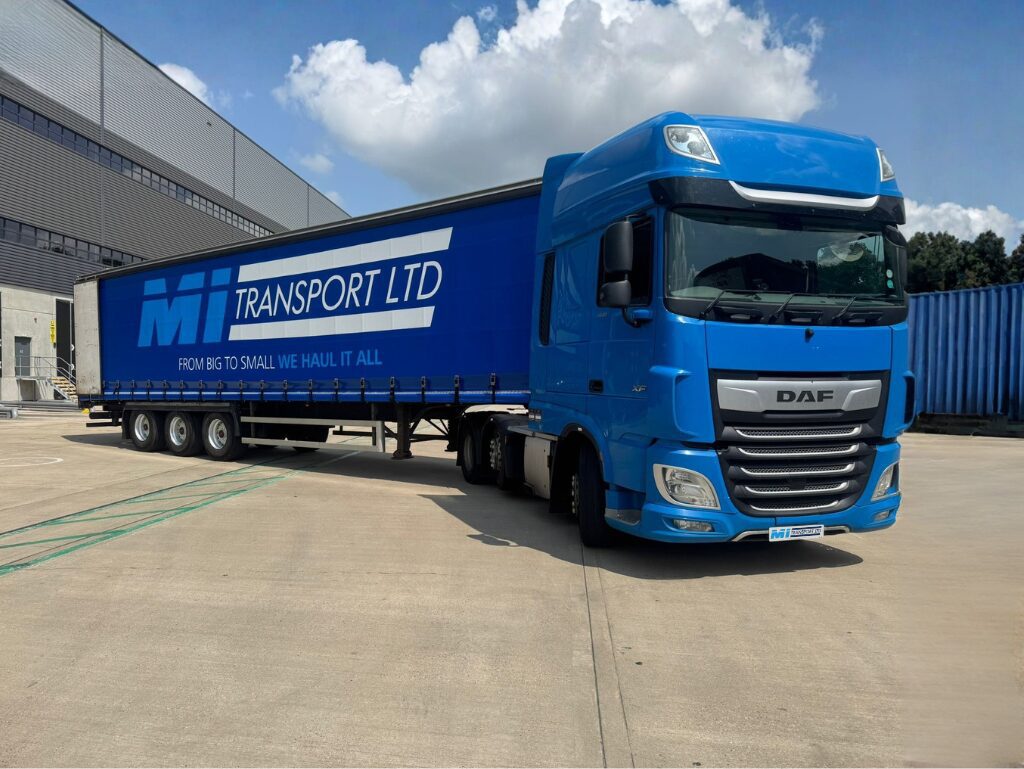
Supply chain disruptions because of heat waves
In addition to hot weather being uncomfortable for staff in non-air-conditioned facilities, heat can impact the supply chain.
When the weather is warm, the roads are often busier as people travel to enjoy the sunshine. This causes more traffic and longer delivery times.
Extreme hot or cold weather leads to high demand for certain items, which puts strain on the supply chain. Items like fans and air conditioning units are sought after during heatwaves, and so providers may be looking to move more stock.
If carriers don’t have climate-controlled storage, extreme temperatures can damage goods. Temperature-sensitive items need to be kept at a consistent temperature, or they risk spoilage or damage.
The impact of natural disasters
While the UK isn’t at a high risk of natural disasters, they can impact suppliers in other countries shipping to the UK.
However, flooding can impact UK deliveries if roads are flooded or closed. Furthermore, if a warehouse floods, it can damage goods or the facility.
How to handle supply chain disruptions
Creating a strong contingency plan can help manage weather delays when they arise, to minimise the impact to the customer and the supplier.
Drivers should be trained to drive safely in dangerous weather, and vehicles should be fitted with winter tyres for icy conditions. Temperature-controlled vehicles or warehouses can help protect goods that would be damaged in extreme temperatures.
Logistics providers should have multiple potential transport routes and backup suppliers in the event of closures or damage. Implementing global supply chain visibility software can help to mitigate risks in real time.
At MI Transport, we can effectively manage weather conditions to ensure deliveries make it safely and on time. To learn more, get in touch by calling 01604 499330 or email warren.boxford@mitransportltd.co.uk.